12 Lead Generation Strategies That Work in 2026 + Examples

12 Lead Generation Strategies That Work in 2026 + Examples
Introduction
Effective lead generation drives sustainable business growth. In a competitive market, businesses need more than a steady flow of website visitors: they need a repeatable way to attract the right people, start relevant conversations, and turn interest into qualified opportunities.
This guide is a practical playbook. Instead of stopping at broad definitions, it walks through 12 inbound and outbound lead generation strategies, explains how to put each one into action, and shows where to track performance. You’ll also find an illustrative 2026 example for every strategy and a comparison table to help you choose based on cost, effort, and time to results.
If you need the fundamentals first, read our Lead Generation: Definition and Overview guide. This article builds on that overview with tactical, step-by-step instructions, so readers can move between the explanation and the practical playbook.
There is no single best channel for every business. The right mix depends on your audience, budget, sales cycle, and the resources available to follow up with leads.
12 Lead Generation Strategies at a Glance
Use this table to compare the relative investment and likely time horizon of each approach. Cost and effort are directional planning estimates, not fixed prices or guaranteed results.

Inbound Lead Generation Strategies to Drive Results
Inbound lead generation focuses on attracting potential customers through valuable and engaging experiences.
1.
Create valuable content that solves customer problems
Useful content gives prospects a reason to discover your business and return when they are ready to evaluate solutions. Focus on the questions your ideal customers ask before they buy.
How to put it into action:
- Interview sales and customer-facing teams to identify recurring prospect questions.
- Group those questions by buyer stage: awareness, consideration, and decision.
- Create a mix of practical blog posts, guides, checklists, case studies, and comparison pages.
- Add a relevant next step to each asset, such as a template download, consultation, or product demo.
- Review engagement and lead quality monthly; update content that attracts traffic but not qualified enquiries.
2026 example (illustrative): A B2B data provider publishes a guide to building a prospect list, adds a downloadable ICP checklist, and follows up with readers who request it. The content attracts relevant visitors while the checklist creates a clear lead-capture opportunity.
Track: organic visits, engaged sessions, content-assisted conversions, form completion rate, and qualified leads.
2.
Optimize your website for search visibility (SEO)
Search engine optimization helps buyers find your business while researching a need or comparing solutions. It is a long-term channel, so prioritize search intent and useful content rather than simply repeating keywords.
How to put it into action:
- Research the terms your target audience uses when describing problems and evaluating solutions.
- Map each topic to one useful page to avoid multiple pages competing for the same search intent.
- Build clear page titles, headings, internal links, and descriptive URLs.
- Improve page speed, mobile usability, navigation, and conversion paths.
- Refresh pages when search intent, product details, or industry information changes.
2026 example (illustrative): A marketing agency creates a service page for “B2B demand generation” and supports it with practical articles answering related buyer questions. Each article links to the service page and a relevant contact form.
Track: non-branded organic clicks, qualified organic leads, rankings for priority terms, and organic conversion rate.
3.
Host webinars and live product demonstrations
Webinars let your team explain complex topics, answer questions, and engage prospects in real time. They can be especially useful when buyers need education before speaking with sales.
How to put it into action:
- Choose a specific audience and a problem they want to solve.
- Build the session around practical takeaways rather than a long product pitch.
- Promote the event through email, social channels, partners, and relevant website pages.
- Use a short registration form and ask only for information your team will use.
- Follow up with attendees and registrants using the recording, key resources, and a relevant next step.
2026 example (illustrative): A CRM consultancy hosts a live session on cleaning duplicate CRM records. Attendees receive a follow-up checklist and can book a short workflow review.
Track: registrations, attendance rate, engagement, meetings booked, and opportunities influenced.

4.
Use video and social content to engage prospects
Video and social content help make your expertise easier to discover and share. Use channels where your audience already spends time, and tailor the format to the platform.
How to put it into action:
- Select two or three recurring customer questions.
- Turn each question into a short explainer, customer story, product walkthrough, or expert post.
- Add captions and a clear opening that explains the value of watching.
- Publish consistently and adapt the format for LinkedIn, YouTube, or other relevant channels.
- Direct interested viewers to a useful resource or landing page and measure the resulting leads.
2026 example (illustrative): A SaaS company posts a weekly 60-second walkthrough showing how a RevOps team can spot incomplete CRM records. The post links to a longer guide and a demo request page.
Track: qualified clicks, video completion, saves, comments from target buyers, and leads attributed to social content.
5.
Use chatbots and marketing automation for timely engagement
Automation can respond to common questions, route enquiries, and keep prospects engaged. It works best when it supports a clear process and gives people an easy way to reach a human.
How to put it into action:
- Identify repetitive questions or handoff delays in your lead journey.
- Create a chatbot flow that answers basic questions and collects only necessary details.
- Connect form submissions to your CRM and assign leads based on fit or intent.
- Set up useful email follow-ups triggered by a download, event registration, or product enquiry.
- Review conversations and routing outcomes to fix confusing steps and avoid irrelevant messages.
2026 example (illustrative): A software provider adds a website chatbot that asks visitors whether they need product support, pricing information, or a demo. Demo requests are routed to the appropriate sales queue.
Track: qualified chatbot conversations, response time, routing accuracy, meetings booked, and email engagement.
6.
Improve lead capture with focused landing pages and forms
A landing page should make one offer clear and make the next action easy. Long or confusing forms can discourage visitors, while a focused page helps people understand what they will receive.
How to put it into action:
- Match the page headline to the campaign or search intent that brought the visitor there.
- Explain the offer and its value in plain language.
- Ask only for the fields needed to qualify or follow up with the lead.
- Add trust signals such as customer proof, privacy information, or a concise explanation of what happens next.
- Test one change at a time, such as the headline, CTA wording, or number of form fields.
2026 example (illustrative): A company offering a downloadable sales planning template replaces a general “Submit” button with “Get the template” and removes two non-essential form fields. It then compares conversion rates before and after the change.
Track: landing-page conversion rate, form abandonment, lead-to-meeting rate, and lead quality.
Outbound Lead Generation Strategies for Targeted Outreach
Outbound lead generation focuses on proactively reaching potential customers using data-driven strategies to spark interest and drive engagement.
7.
Build verified and segmented contact lists
A well-defined contact list helps sales teams focus on prospects who are more likely to need the product or service. Data quality matters: inaccurate or outdated details waste time and can harm deliverability.
How to put it into action:
- Define your ideal customer profile using industry, company size, location, and relevant business characteristics.
- Identify the roles involved in the buying decision, including decision-makers and influencers.
- Segment contacts by fit, use case, region, or buying stage.
- Validate email addresses and review phone and company details before launching outreach.
- Refresh records regularly and suppress invalid, opted-out, or otherwise ineligible contacts.
2026 example (illustrative): A sales team targeting mid-market SaaS companies filters accounts by employee range and technology use, then validates the relevant sales and operations contacts before building a campaign.
Track: data match rate, valid email rate, bounce rate, connect rate, and qualified replies.
Maximize Your Leads with Targeted Data!
Discover how ReachStream can transform your lead generation efforts with verified and segmented data.
8.
Personalize email and sales outreach
Personalized outreach gives prospects a reason to pay attention. Effective personalization connects a relevant business observation to a problem your solution can help address; it goes beyond inserting a first name.
How to put it into action:
- Choose a tightly defined audience segment and one relevant business problem.
- Research a credible reason for reaching out, such as a role, company initiative, or publicly available business signal.
- Write a concise message that explains why the issue may matter to the recipient.
- Use one clear, low-friction call to action.
- Plan a short, respectful follow-up sequence and stop when a prospect opts out or asks not to be contacted.
2026 example (illustrative): A sales representative contacts a RevOps leader after the company announces a CRM migration. The email offers a short checklist for checking data quality before the migration rather than sending a generic product pitch.
Track: delivery and bounce rates, positive reply rate, meetings booked, opt-outs, and opportunities created.
9.
Run targeted paid advertising campaigns
Paid search and social advertising can create visibility quickly, especially when a business needs to reach a defined audience or test an offer. Results depend on audience fit, creative quality, landing-page relevance, and budget.
How to put it into action:
- Set a campaign goal, such as qualified demo requests or downloads from a target segment.
- Choose the channel based on buyer intent and audience availability.
- Build audience and keyword targeting around the offer.
- Match the ad message to a dedicated landing page.
- Track cost per qualified lead and downstream conversion, not just clicks or form fills.
2026 example (illustrative): A B2B software company runs a LinkedIn campaign targeting finance operations leaders with a checklist for reducing manual reporting. The campaign sends visitors to a page with the same offer and a short form.
Track: cost per lead, cost per qualified lead, conversion rate, pipeline contribution, and return on ad spend.
10.
Use account-based marketing (ABM) for high-value accounts
Account-based marketing focuses sales and marketing resources on a selected group of companies. It is useful when the potential value of each account justifies coordinated, tailored engagement.
How to put it into action:
- Agree on account-selection criteria with sales, such as industry, company size, strategic fit, and potential value.
- Prioritize accounts and map the relevant buying committee.
- Research each account’s business context and likely priorities.
- Coordinate personalized content, advertising, email, and sales outreach around a shared account plan.
- Review account engagement and pipeline progress with sales on a regular schedule.
2026 example (illustrative): A cybersecurity vendor selects 30 financial services accounts and builds tailored outreach for security, IT, and compliance stakeholders, using content relevant to each role.
Track: target-account engagement, buying-group coverage, meetings per account, opportunities created, and account pipeline.
11.
Retarget and re-engage interested prospects
Not every visitor is ready to enquire on the first visit. Retargeting and re-engagement help bring relevant information back to people who have shown interest, subject to applicable consent and privacy requirements.
How to put it into action:
- Identify meaningful engagement groups, such as visitors to pricing pages, webinar registrants, or users who started but did not complete a form.
- Exclude customers, converted leads, and people who should not receive further marketing.
- Create ads or follow-up messages that address the next likely question.
- Set frequency limits and avoid repeatedly showing the same generic message.
- Measure return visits and qualified conversions rather than impressions alone.
2026 example (illustrative): A visitor reads a comparison page but does not request a demo. A later retargeting ad offers a product comparison checklist, giving the visitor a useful next step.
Track: return visits, assisted conversions, cost per re-engaged lead, frequency, and qualified conversions.
12.
Build referral and partner programs
Referrals and partnerships can introduce your business to prospects through people or organizations they already trust. A clear process makes it easier for advocates to participate and for your team to follow up.
How to put it into action:
- Identify satisfied customers, complementary service providers, and industry partners.
- Define who makes a good referral and what information is useful to share.
- Create a simple referral process and explain any incentives transparently.
- Provide partners with approved messaging and useful resources.
- Thank referrers, follow up promptly, and track referred leads through to revenue.
2026 example (illustrative): A CRM implementation firm partners with a sales training consultancy. Each partner introduces clients who need the other’s service and shares a short co-branded guide.
Track: referral volume, referral-to-qualified-lead rate, partner-sourced pipeline, conversion rate, and partner retention.
Master Your Lead Generation Strategy in Just 4 Weeks!
Follow a structured roadmap to boost your lead generation and drive real results.
How to Choose the Right Mix of Strategies
You do not need to launch all 12 strategies at once. Start with the channels that match your audience, sales cycle, and available resources. A business with a small budget may begin with useful content, SEO, referrals, and focused email outreach. A team with a larger budget and a defined target-account list may add paid campaigns and ABM.
A practical way to prioritize is to select one strategy for near-term demand, one for long-term visibility, and one for improving conversion or follow-up. Set a baseline, run the test for a defined period, and expand the tactics that produce qualified opportunities.
Maximizing Success with Lead Generation Strategies
Both inbound and outbound lead generation strategiesplay critical roles in building a successful pipeline of high–quality leads.
While inbound marketing focuses on attracting and nurturing leads through value-driven experiences, outbound marketing directly engages targeted prospects.
To achieve the best results, businesses should adopt a balanced approach tailored to their goals and audiences, leveraging the latest tools and data for maximum impact.
Boost Your Lead Generation with ReachStream
Transform your lead generation efforts with ReachStream’s verified and segmented data. Access accurate contact lists, improve outreach efficiency, and close deals faster with our robust solutions.
FAQs
What makes inbound and outbound lead generation unique?
Inbound lead generation attracts prospects by providing value through content and experiences. Outbound lead generation involves direct outreach, such as emails and calls, to initiate contact with potential leads.
How does automation enhance lead generation?
Automation simplifies repetitive tasks like email campaigns and lead tracking. This saves time and ensures more precise targeting for better results.
What industries benefit most from Account-Based Marketing (ABM)?
Industries with high-value accounts, such as enterprise solutions and software, often rely on ABM. It’s also widely used in healthcare and B2B sectors.
Why is ReachStream the best choice for lead generation?
ReachStream provides verified and segmented contact lists tailored to your needs. This ensures accuracy, efficiency, and better ROI for your campaigns.
How does ReachStream ensure the accuracy of its data?
ReachStream updates its databases every 90 days using advanced verification methods. This ensures that all contact information remains reliable and up-to-date for your campaigns.

Table of Contents
Discover how our data solutions can supercharge your marketing campaigns. Schedule your personalized demo now and experience the difference!
Turn Data into Revenue with ReachStream!
Junaid Hussain Khan
Author
Junaid Hussain Khan is a Senior Manager, Business Development at ReachStream. He leads strategic partnerships, uncovers new market opportunities, and helps drive ReachStream's growth and its position in the B2B ecosystem.
Don't forget to share this post!















Check out our other blogs!
ReachStream’s Direct Dial Database: What Makes It Different
November 4, 2026
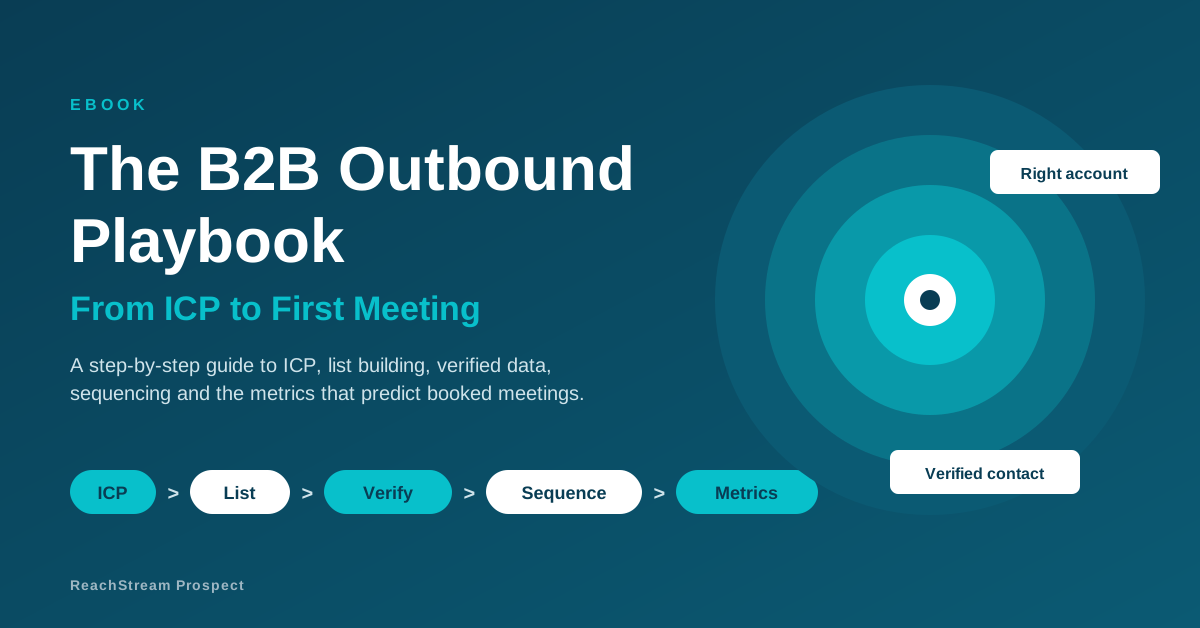
The B2B Outbound Playbook: From ICP to First Meeting
November 4, 2026
What Is Prospecting? A Beginner’s Guide for Sales Teams
November 3, 2026