Almost every sales rep starts the week with the same task: find more people to talk to. Before a deal ever reaches the pipeline, somebody must identify the company, find the right contact, and start the conversation. That first step has a name, and beginners usually run into it the same way, by asking what is prospecting the moment they are handed a quota and a blank list.
This guide answers that question in plain terms, walks through the process from start to finish, and covers the techniques, strategies, and tools that B2B sales teams use to turn a cold list into a working pipeline.
What Is Prospecting? A Simple Definition
In simple terms, prospecting is the process of identifying and reaching out to potential customers who have not yet shown interest, with the goal of turning them into qualified leads. When someone is new to sales and asks what is prospecting?
The short answer is this: it is the research and outreach work that happens before a deal exists, finding the right companies, the right people inside them, and a reason to start talking.
Prospecting is not the same as closing a deal or even running a full sales pipeline. It is the entry point, the work that decides who ends up in that pipeline in the first place. A rep who skips good prospecting usually ends up with a pipeline full of poor-fit accounts, no matter how good their pitch is later.
Why Prospecting Matters for B2B Sales Teams
B2B sales prospecting carries more weight than in most consumer sales, since B2B deals usually involve multiple stakeholders, longer research periods, and higher deal values. Prospecting for B2B sales is what keeps the pipeline supplied with accounts that are worth pursuing, instead of leaving reps to react to whatever leads happen to show up.
Teams that treat prospecting as a core skill rather than an afterthought are the ones that end up with a much more predictable pipeline. They have a pretty good feel for how many conversations are going to result in opportunities and can therefore be much more confident.
For a new rep still trying to work out what prospecting is worth in practice the truth is that it’s the difference between a full calendar and an empty one.
Turn Your Prospecting Research into a Ready-Made List
This process usually follows the same handful of stages, even when the tools and channels change.
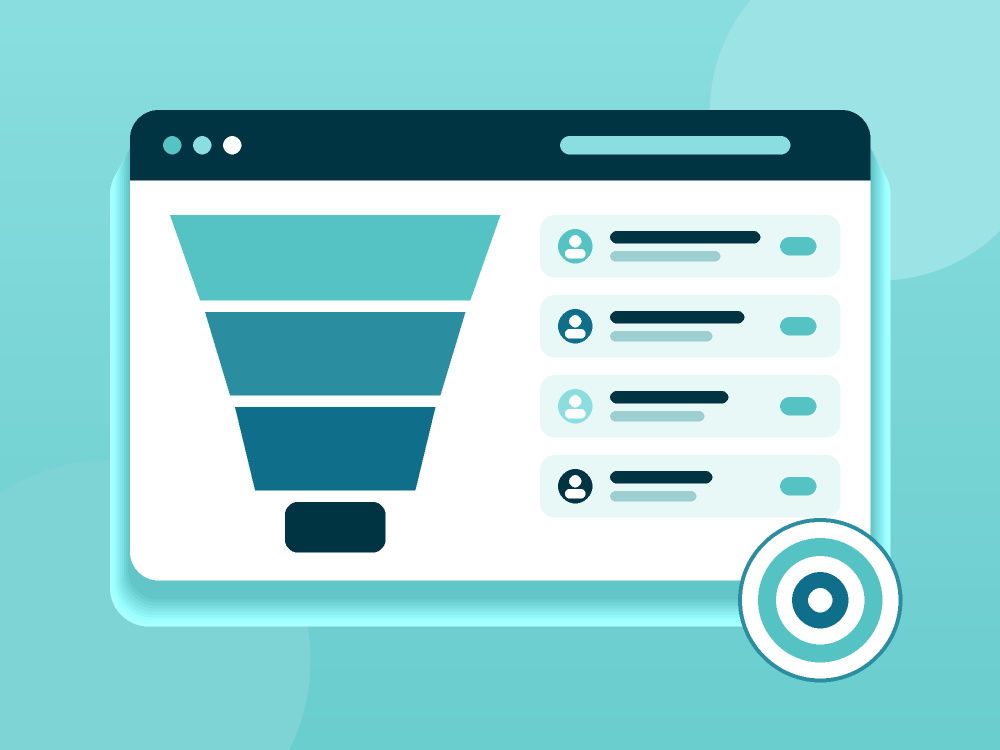
Step 1: Define Your Ideal Customer Profile
Before reaching out to anyone, a team needs a clear Ideal Customer Profile (ICP) and a set of buyer personas that describe who they are trying to reach. This step shapes everything that follows, since target audience identification done well here saves hours of wasted outreach later.
Step 2: Research and Build Your Prospect List
With an ICP in hand, the next stage is targeting account research: finding companies that match on size, industry, and then working through decision-maker identification to find the right contacts inside each one.
Most teams lean on a B2B contact database at this stage to pull verified business contact information rather than searching for it one company at a time. This is also where prospect list building happens, turning a vague target market into a specific, workable list.
Step 3: Reach Out Through Multiple Channels
Once the list exists, outreach usually combines a few channels: cold calling, cold email, and LinkedIn prospecting are the three a beginner will run into most often. None of them works well in isolation forever, so most reps end up mixing all three depending on the account and the message.
Step 4: Qualify and Hand Off to the Pipeline
The final step is qualifying interest and feeding it into lead generation and sales pipeline development, so a prospect that responds does not just sit in an inbox. A clean handoff here is what turns prospecting activity into an actual pipeline, rather than a long list of unanswered messages.
Prospecting Techniques and Strategies That Work
There is no single right way to prospect, but a few approaches come up again and again. Lead prospecting through referrals and warm introductions tends to convert better than cold outreach alone, since there is already some trust in place.
Beyond that, most sales prospecting strategies fall into a mix of outbound, where the rep initiates contact, and inbound assisted, where marketing activity creates an opening, the rep can follow up on.
Good prospecting methods in sales share a few habits: they focus on a narrow, well-defined audience instead of a broad one, they use research to personalize the first message, and they treat prospecting as a repeatable process before a deadline. Teams that build sales prospecting strategies around these habits generally see results.
Most reps eventually move from manual research to dedicated software, since finding and verifying contacts does not scale a handful of accounts a week. B2B prospecting tools combine company search, verified contact details, and some way to filter by industry, size, or role, so a rep can go from a target list and business information in minutes.
Prospecting software varies in how it is built. Some tools focus mainly on contact data, while others add sequencing, reminders, or scoring on top of it. A prospecting database is the foundation either way, since none of those extra feature’s matter if the underlying company and contact records are outdated or unverified.
Prospecting vs Lead Generation: What's the Difference
Prospecting and lead generation get used almost interchangeably, but they describe different parts of the funnel. Lead generation is usually broader and includes marketing-driven activity, content, ads, and forms, that brings interested people to a company on their own.
Prospecting is more targeted: a rep actively identifies specific companies and contacts that fit the ICP and reaches out directly, rather than waiting for someone to respond to a campaign.
In most B2B teams, the two work side by side. Marketing-generated leads fill part of the pipeline, and rep-driven prospecting fills the rest, especially for the accounts a team wants to reach but that have not raised a hand yet.
Prospecting is the groundwork that makes the rest of the sales process possible. Get it wrong, and even a strong pitch is wasted on the wrong accounts. Get it right, and a rep spends less time guessing and more time in real conversations with people who are a fit.
Start with a clear Ideal Customer Profile, build a list through real research rather than guesswork, reach out across more than one channel, and treat qualification as part of the process rather than an afterthought. Whether a team is refining how it prospects or simply trying to answer what is prospecting for a new hire, the goal is the same.
For teams building their own prospect lists, accurate contact and company data matters just as much as the process around it. ReachStream Prospect is built around a database of 450M+ contacts and 25M+ companies with 55M+ direct dials.
And it is designed to help sales teams search for prospects in plain language with AI Conversational Search, then expand a target list with Similar Companies, which surfaces accounts that resemble a team’s best existing customers.
Boost your sales pipeline with our powerful list builder.
Frequently Asked Questions
What is prospecting in sales?
Prospecting in sales is all about identifying people who haven’t yet been in touch with you and then getting in contact with them to start a conversation, with the intention of turning them into qualified leads.
What is B2B sales prospecting?
It’s the same process with business buyers they research the companies and the people in them, then go straight to them rather than waiting for them to come to you.
Why is prospecting important for sales teams?
Prospecting keeps the pipeline full of accounts to pursue which in turn makes revenue more predictable and reduces the amount of reliance a team has on any one set of leads that just happen to come in.
How is prospecting different from lead generation?
Lead generation is generally wider and more marketing in nature, whereas prospecting is the rep going out and actively targeting specific companies and contacts that fit the ideal customer profile.
What are the most effective prospecting methods?
Methods that combine research-based targeting with multiple channels (cold email, cold calling, LinkedIn prospecting etc) tend to beat a single channel on its own.
What information should sales reps collect about prospects?
Reps typically collect firmographic details such as industry and company size, verified contact information for decision-makers, and any signals that suggest the company has a relevant need right now.
What are the common challenges in B2B prospecting?
Common challenges include outdated or unverified contact data, unclear targeting criteria, and spending too much time on manual research instead of actual outreach and conversations.
Junaid Hussain KhanAuthor
Junaid Hussain Khan is a Senior Manager, Business Development at ReachStream. He leads strategic partnerships, uncovers new market opportunities, and helps drive ReachStream's growth and its position in the B2B ecosystem.