







Never Run Out Of Buyers To Sell To.
500M+
Contacts
60M+
Mobile Numbers
50M+
Companies

ReachStream's Direct Dial Database: What Makes It Different

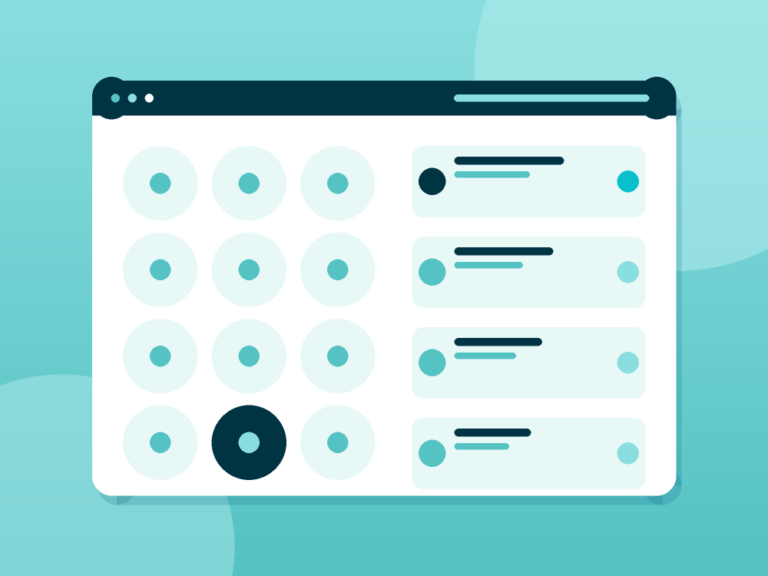
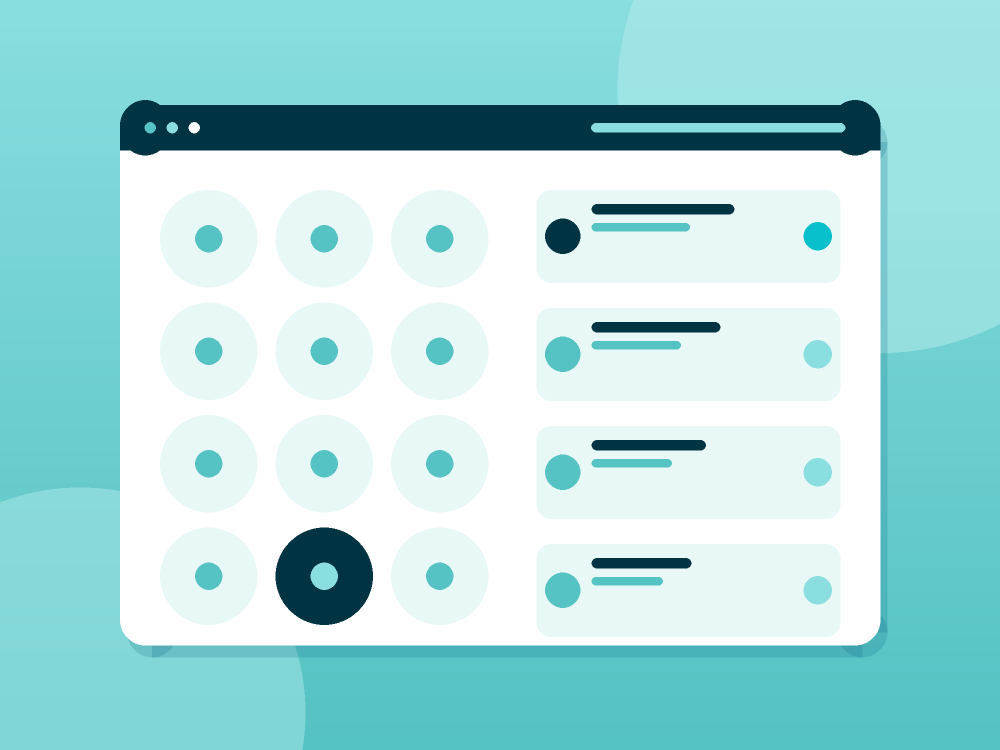
Direct dial database: keypad and contact list

Summarize this article with AI:

A full inbox of contacts does a rep little good if every call still has to go through a front desk or a generic company line. The fastest reps on any team usually have one thing in common: a direct line to the person they are trying to reach. That is exactly what a direct dial database is built to provide.

This guide covers what it is, what a good one includes, how direct dial numbers differ from company and mobile numbers, and what specifically sets ReachStream’s version apart from other B2B contact data sources.

What Is a Direct Dial Database? A Simple Definition

In simple terms, this is a collection of verified phone numbers that connect directly to a specific person at a company, skipping the receptionist, and the voicemail that usually sits between a rep and a decision-maker. Instead of dialling a general office line and hoping to get transferred, a rep dials a number that connects straight to the contact targeting.

This matters because cold calling success depends heavily on reaching a person, not navigating a phone tree. A list of company switchboard numbers might technically count as contact data, but it rarely gets a rep past the first thirty seconds of a call.

Why B2B Sales Teams Rely on Direct Dial Numbers

Before databases like this existed, reps often pieced numbers together from scattered direct dial data providers, old business cards, and guesswork, a slow process with inconsistent results. A B2B direct dial database solves that by centralizing business direct dial numbers for thousands of companies and contacts in one searchable place.

This matters most for sales development representatives (SDRs) running high-volume outbound motions, where every extra minute spent chasing a transfer is a minute not spent talking to a real prospect.

Teams building a cold calling database around direct numbers typically see more connected calls per hour, which compounds quickly across a full team and feeds both B2B lead generation and account-based marketing (ABM) programs that depend on reaching specific people, not just companies.

Put Verified Direct Dials in Front of Your Reps

What's Inside a Direct Dial Contact Database

Decision-Maker and C-Level Contact Details

A useful direct dial contacts database goes beyond a phone number alone. It typically pairs each number with decision-maker contact information, job title, department, and seniority, so a rep knows exactly who will answer before the call connects.

Reaching C-level executive contacts directly, rather than through an assistant or a general line, is one of the main reasons teams invest in this kind of data in the first place. A decision-maker phone number database is only useful if it is paired with enough context to know who is on the other end.

Verified and Enriched Contact Data

Phone numbers change often, people switch roles, and companies restructure, so verified contact data matters as much as volume. Contact data enrichment, cross-checking a number against multiple sources and refreshing it on a schedule, is what keeps verified direct dial numbers from going stale a few months after they are collected.

Reach Decision-Makers Without the Front Desk

Direct Dial Numbers vs Company and Mobile Numbers

A direct dial phone number lookup returns a mobile number tied to one person’s desk line or direct extension, not the general company switchboard. Direct phone numbers like these differ from the business phone numbers listed on a website, which usually route through a main line or an automated menu, while direct business phone numbers skip straight to an individual.

Mobile numbers are a different category. A personal number is often harder to source and verify at scale, and many B2B contacts prefer to work line for business calls. Most B2B phone number database providers focus on verified direct dials rather than personal mobile numbers, since the former are both easier to confirm and appropriate for cold outreach.

What Makes ReachStream's Direct Dial Numbers Different

Plenty of vendors sell some version of a direct dial phone number database, but the details vary a lot in practice. A direct dial database for sales teams is only as good as how current the numbers are, how deep the company coverage goes, and whether the data is paired with enough firmographic and contact context to prioritize outreach.

ReachStream Prospect is built around a database of 450M+ contacts and 25M+ companies with 55M+ direct dials, combined with a broader B2B contact database and sales prospecting database that covers firmographic details alongside the numbers themselves.

It is also designed to help reps search for contacts in plain language with AI Conversational Search, then expand a list with Similar Companies, which surfaces accounts that resemble a team’s best existing customers, so a direct dial number is never disconnected from the account and contact context around it.

Build Your Direct Dial List with ReachStream

Keeping Direct Dial Data Accurate and Compliant

Accuracy is the biggest practical challenge with any phone number data set. Numbers get reassigned, contacts change companies, and departments get restructured, so a provider needs an ongoing verification process rather than a one-time data pull.

Businesses can improve accuracy by combining automated verification with periodic manual checks, favouring providers that refresh records regularly, and removing numbers that bounce or go unanswered across repeated attempts. Compliance matters just as much as accuracy.

Any B2B contact database used for outreach should be collected and maintained in line with relevant data protection and telemarketing regulations, and reps should still follow do-not-call and consent rules that apply in their market regardless of how the number was sourced.

Conclusion

A direct dial database turns a contact list into something reps can act on, since reaching the right person directly, instead of a switchboard, is often the difference between a short conversation and no conversation at all.

What separates one provider from another usually comes down to three things: how current the numbers are, how well they are matched to verified decision-maker and company context, and how easy the data is to search and act on day to day.

Mohammed Younus
Share
Table of Contents
Supercharge your marketing with ReachStream
Reach Everyone
Picture of 500M+
500M+
Reach Everywhere
Picture of 150+
150+
Reach Every Niche
Picture of 400+
400+

Sign Up today for 100 free credits every month.

Connect with key-decision makers in seconds

Boost your sales pipeline with our powerful list builder.

Frequently Asked Questions

What is a direct dial database?

It is a collection of verified phone numbers that connect straight to a specific person at a company, instead of routing through a general switchboard or receptionist.

It matches verified phone numbers to specific contacts and companies, usually alongside job titles and firmographic details, so a rep can search for the right person and call them directly.

A company phone number usually reaches a general switchboard or receptionist, while a direct dial number connects straight to one person’s desk line or extension.

They help reps skip phone trees and gatekeepers, connect with decision-makers faster, and have more real conversations per hour instead of chasing transfers.

A good one usually includes the phone number, the contact’s name, job title, department, and company details, often alongside an email address.

They remove the extra steps between a call and the right person, letting reps reach decision-makers directly instead of relying on a gatekeeper to transfer the call.

Direct dial numbers are verified office or desk lines tied to a specific person, while mobile numbers are personal lines that are generally harder to source, verify, and use appropriately for cold outreach.

Businesses can combine automated verification with periodic manual checks, use providers that refresh records regularly, and remove numbers that repeatedly bounce or go unanswered.

Mohammed Younus
Mohammed YounusAuthor
Mohammed Younus is the Senior Manager of Business Operations with a keen insight into the B2B landscape. Through his contributions to this blog, he aims to share cutting-edge tactics and insights that empower sales and marketing professionals to achieve unparalleled success.

Don't forget to share this post!

Check out our other blogs!

Leave a Reply

Your email address will not be published. Required fields are marked *

Penguin with Envelope
Learn to Market & Sell Anything in the B2B World
Tips, and insights delivered right in your inbox, every Tuesday

By clicking Subscribe,you agree to ReachStream’s Privacy Policy and consent to receiving newsletters.