


How to Evaluate B2B Data Vendors for Accuracy and Compliance
A Printing Industry Email List becomes valuable when it contains the right companies, roles, and professional details. Suppliers of equipment, materials, software, and technical services can use it to improve account research and campaign relevance.
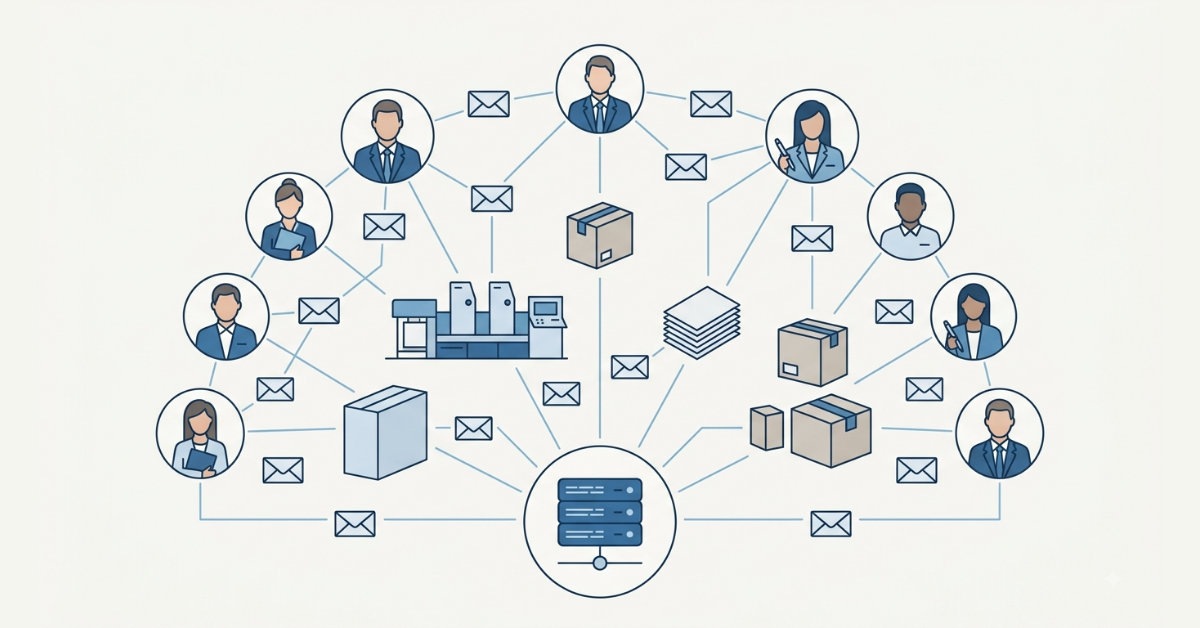
A targeted database helps teams distinguish commercial, packaging, digital, label, publishing, sign and graphics, finishing, equipment, and specialty printing firms. A Prospect platform can support company and role research.
An equipment manufacturer may need production leaders, while a paper supplier may need procurement contacts. A focused list supports account selection and campaign preparation.
Begin with an ideal customer profile that defines suitable companies, roles, and buying conditions. ReachStream’s company data page illustrates useful firmographic fields.
Include professionals who influence supplier selection, operations, technology, or budget approval. Job-title targeting matters because users and budget owners may differ. A B2B prospecting guide offers a role-based research framework.
Use several professional sources, then compare and verify records. Websites and associations provide context; directories and exhibitions reveal active companies. A resource center can add guidance on prospect research and data management.
A database should identify the account, show its fit, and support a business channel.
Data field | B2B sales and marketing use |
Full name | Identifies the professional |
Job title | Indicates decision-making responsibility |
Company name | Supports account targeting |
Business email | Enables professional communication |
Business phone | Adds a business channel |
Website | Provides company context |
Industry segment | Supports segmentation |
Company size | Helps prioritize accounts |
Location | Supports territory planning |
Business type | Connects the offer with company needs |
Technology or process | Helps tailor product discussions |
A structured data enrichment process can fill gaps and standardize fields. Record the source and review date where possible.
Businesses can build a targeted printing industry contact database by defining the customer profile, identifying companies and decision-makers, collecting and verifying professional data, segmenting contacts, and maintaining the database.
Segmentation makes communication more relevant. An equipment supplier could create separate campaigns for packaging printers, commercial printers, and label manufacturers.
A label manufacturer may value material compatibility, while a commercial printer may focus on workflow capacity. A list builder can organize consistent groups.
ReachStream is a B2B contact-data platform for professional contact research and list building. Users can search by industry, location, company size, job title, and seniority. The Our Data page provides further context.
For a printing campaign, a user could select company types, territory, and production, operations, procurement, technology, or executive roles. Teams should review each segment and apply their communication standards. Explore ReachStream to find targeted printing industry contact data for B2B campaigns.
A structured database can support lead generation, account-based marketing, product launches, equipment sales, supplier partnerships, software sales, trade show follow-up, market expansion, and business development. It should guide account selection.
An ink manufacturer might divide companies by packaging, commercial, and label production, then prepare different product information for each group. A workflow software provider could focus on technology managers and production leaders at firms with several facilities. A sales pipeline guide can help connect contact research with pipeline planning.
Use it to prioritize accounts, assign ownership, and record responses.
Effective communication starts with company research and a clear connection between the offer and an operating requirement. A short message should explain why it is relevant to the recipient and suggest a practical next step.
A marketing funnel guide can align education with sales conversations. Follow applicable requirements.
Printing industry data supports suppliers involved in production, materials, software, distribution, or plant operations.
Common problems include weak targeting, incomplete records, and poor maintenance. Relevance matters more than file size.
Teams can use high-quality leads as a planning topic, while defining quality through fit criteria and sales outcomes.
Measure data health and commercial progress together. Delivery shows address acceptance; open and click-through rates indicate interaction; response rate shows direct engagement. Qualified leads, meetings, conversion rate, cost per qualified lead, pipeline contribution, and revenue show commercial progress.
Each metric should guide a decision. Low delivery may indicate data or technical issues, while interaction without meetings may signal weak relevance or an unclear next step. A multi-channel guide offers ideas for comparing campaign methods.
The best process follows eight stages: Define → Identify → Collect → Verify → Segment → Communicate → Measure → Update. Set the profile, find companies and roles, collect and verify data, segment records, communicate by role, measure outcomes, and update the file.
Teams can review the pricing plans and compare the approach with their workflow. Keep it under clear ownership with documented standards and reviews.
An effective printing industry contact database depends on clear audience definition, relevant data, useful segmentation, targeted communication, and maintenance. Together, these elements support better account decisions.
It is an organized collection of professional records connected to printing and related services. Fields may include company, website, job title, business email, location, segment, and size.
Define the customer profile, then filter by business type, geography, size, process, equipment, and product need. Remove accounts outside the offer or service area.
The right titles depend on the purchase. Production managers influence workflow; procurement leaders compare suppliers; technology managers evaluate software; executives may approve budgets.
Review the database on a schedule. Check validity, role changes, company status, duplicates, and segment fit.
A contact list contains names and contact details. A database adds company attributes, roles, sources, segments, ownership, and activity history.
Use field standards, professional sources, verification, duplicate checks, and correction rules. Collect needed business information and follow applicable requirements.
Marketing professional with a Master’s degree in Marketing, specializing in SEO, content strategy, social media, performance marketing, prospecting, and demand generation.
Access 200M+ verified business emails and grow your sales pipeline effortlessly.
Don't forget to share this post!















Check out our other blogs!
How to Build a Targeted Printing Industry Contact Database
B2B Lead Generation Mistakes and How to Fix Them in 2026
Chrome Extensions for Sales Prospecting in 2026