


Unlimited Data.
Infinite Possibilities.
Infinite Possibilities.
Looking for B2B data? Download Unlimited data using our Chrome extension at just $79/month.

>What Is A Sales Prospecting List?
How to Evaluate B2B Data Vendors for Accuracy and Compliance
Sales prospecting is the starting point of successful outbound sales. Before reaching out, sales teams need a structured sales prospecting list that matches their target audience and buying criteria.
A well-built prospect list helps organize contact information and identify qualified leads, allowing sales reps to focus on prospects more likely to convert. However, many organizations struggle with outdated data and poor segmentation. Building a good sales prospecting list requires accurate data, clear targeting, and consistent updates.
This article will help you understand what makes a sales prospecting list so valuable, as well as the best way to build one that resonates with your business goals.
A prospecting list is a structured database containing information about professionals or businesses that may be interested in a product or service. It acts as the foundation for sales prospecting, allowing teams to identify and connect with potential customers more effectively.
A typical sales prospecting list includes information such as:
Sales teams use this information to create targeted outreach campaigns that address specific customer pain points.
Instead of contacting random businesses, a sales prospecting list ensures outreach is directed toward organizations that match the company’s ideal customer profile (ICP). It propels your ability to generate high-quality leads that convert into opportunities.
For example: A B2B software company selling marketing automation tools might build a prospect list example that includes:
By targeting the right segment, sales reps can focus on conversations that are more likely to result in meaningful engagement.
In B2B sales, success often depends on reaching the right decision-makers at the right time. Without a well-organized sales prospecting list, sales teams may waste time reaching out to contacts who are not relevant to their offering.
A structured business prospect list supports better targeting and helps teams prioritize outreach activities.
Here’s why sales prospecting lists are essential:
A well-defined prospect list helps sales teams focus on companies that match their ideal customer profile (ICP). This ensures outreach is directed toward organizations that are more likely to benefit from the product or service being offered.
Instead of manually researching prospects on social media or company websites, sales reps can access a curated contact list that already includes relevant information.
This allows them to spend more time engaging with qualified prospects rather than searching for contacts.
A reliable sales prospect list ensures that sales teams always have a pipeline of potential customers to contact. This supports ongoing lead generation efforts and helps maintain consistent outreach.
With the right data in a prospecting list, sales teams can personalize outreach messages and address specific customer pain points.
This increases the likelihood of meaningful conversations and improves the chances of moving prospects toward becoming closed deals.
Not all prospect lists are equally effective. A good sales prospecting list should contain accurate, relevant, and updated information that helps sales teams identify the right contacts.
Key components of a high-quality sales prospecting list include:
Reliable email addresses and phone numbers ensure sales teams can reach the intended contacts without unnecessary delays.
Understanding the organization behind a prospect is important for effective outreach.
A prospecting list should include:
These details help determine whether a prospect fits the company’s ideal customer profile (ICPs).
Effective prospect list building requires identifying decision-makers within an organization.
For example:
Sales teams should define criteria for screening prospect lists to ensure only relevant contacts are included.
This might involve factors such as:
A well-defined qualification process ensures that the sales prospecting list contains qualified leads who are more likely to engage.
Despite its importance, prospect list building can be challenging for many organizations.
Listed below are some of the most common challenges faced by sales teams:
One of the biggest challenges in maintaining a prospecting list is data decay. Job roles change frequently, and outdated email addresses can reduce the effectiveness of outreach campaigns.
Manually building a sales prospecting list requires significant research. Sales teams may spend hours reviewing company websites and social media platforms to identify potential contacts.
Without proper segmentation, a sales prospect list may include contacts that do not match the company’s ideal customer profile.
This leads to lower engagement and wasted outreach efforts.
Many organizations struggle to find the right stakeholders within target companies. Without clear visibility into organizational structures, it becomes difficult to reach qualified prospects.
To maintain a high-quality sales prospecting list, organizations must establish clear criteria for evaluating potential contacts.
Screening prospects ensures that sales teams focus on quality leads instead of unqualified contacts. Common screening criteria include:
Companies should prioritize prospects within industries that are most likely to benefit from their product or service.
Business solutions often target companies within a specific employee or revenue range.
Filtering prospects based on company size helps identify the most relevant opportunities.
Sales outreach should focus on professionals who influence purchasing decisions.
Examples include:
Prospects who show signs of needing a solution are more likely to engage.
Sales teams can evaluate indicators such as:
Applying these criteria ensures that the sales prospecting list contains qualified leads who match the company’s strategic goals.
Building a prospect list efficiently requires a combination of data sources, research strategies, and structured workflows.
Here are the best practices to build a prospect list quickly:
Start by identifying the characteristics of your best customers.
These may include:
This helps create a targeted business prospect list.
Sales teams should combine data from different platforms, including:
This approach improves the accuracy of the sales prospect list.
Effective segmentation ensures that outreach campaigns are tailored to different audience groups.
Segments might include:
Regular updates help keep the prospecting list relevant and useful.
Best practices include:
Consistent data maintenance ensures that sales teams always work with an updated and reliable sales prospecting list.
Modern sales teams rely on specialized tools to simplify prospect list building and improve outreach efficiency.
These platforms provide access to verified contact lists, company insights, and segmentation capabilities.
Common features offered by prospecting platforms include:
Platforms also allow teams to quickly identify qualified prospects and prioritize outreach efforts.

ReachStream provides data-driven solutions designed to simplify sales prospecting list creation and management.
The platform helps organizations build accurate business prospect lists by providing access to verified contact and company data.
With ReachStream, sales teams can:
These capabilities help sales teams focus their efforts on potential customers who are more likely to engage with their product or service.
Additionally, ReachStream helps streamline prospect list building by reducing manual research and improving data accuracy.
This enables sales teams to spend more time building lucrative business relationships and less time searching for contact information.
Using a platform like ReachStream offers several advantages for organizations looking to improve sales prospecting. Some of its key benefits are inclusive of:
Sales teams can quickly identify qualified prospects using advanced search filters.
Access to verified email addresses helps reduce bounce rates and improves outreach performance.
ReachStream enables teams to build hyper targeted sales prospecting lists based on specific criteria.
By simplifying prospect list building, the platform helps sales reps focus on engaging potential customers rather than researching contacts.
With a structured contact list, organizations can maintain consistent lead generation efforts and build a reliable sales pipeline.

A well-organized sales prospecting list helps sales teams identify qualified leads, target the right professionals or companies, and support consistent lead generation.
Without a structured prospecting list, sales reps may spend time contacting businesses that do not match their ideal customer profile.
By maintaining accurate contact lists and clear screening criteria, you can build a good sales prospecting list that improves targeting. Platforms like ReachStream simplify prospect list building by providing verified data and advanced filtering.
A sales prospecting list is a collection of potential customers who match a company’s ideal customer profile and may be interested in its product or service.
A prospecting list typically includes key details such as the company name, contact job title, email address, phone number, industry, company size, etc. These details help sales teams identify relevant prospects and target their outreach more effectively.
Businesses can build a prospect list quickly by using prospecting platforms, defining clear targeting criteria, and maintaining updated contact lists.
Prospect list building ensures that sales teams focus on qualified leads, improves outreach efficiency, and increases your chances of converting leads into deals.
A prospecting list should be updated regularly to remove outdated contacts and ensure accurate information. Keeping the list current helps improve outreach effectiveness and maintain data quality.

Author

Access 200M+ verified business emails and grow your sales pipeline effortlessly.
Don't forget to share this post!















Check out our other blogs!
What Is ZoomInfo and How Does It Work for B2B Teams?

Is ZoomInfo Legit for Sales and Marketing Teams?
What Is Hunter.io? Email Finder and Verification Explained
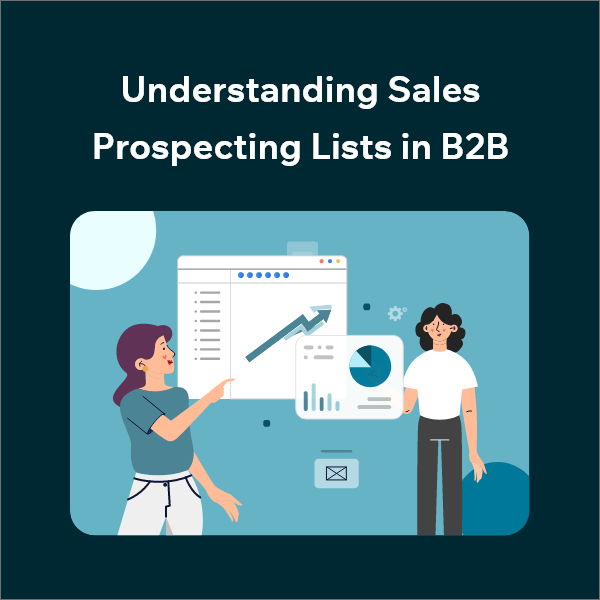
Understanding Sales Prospecting Lists in B2B